
Beyond the Factory: What It Takes to Build an Aviation Ecosystem
Regions have chased aircraft factories for a century, and for good reason: aerospace jobs are skilled, durable and well paid. But the factory is the least interesting part of the story. The lasting economic value of aviation lives in the ecosystem around it — and ecosystems have to be designed, not hoped for.
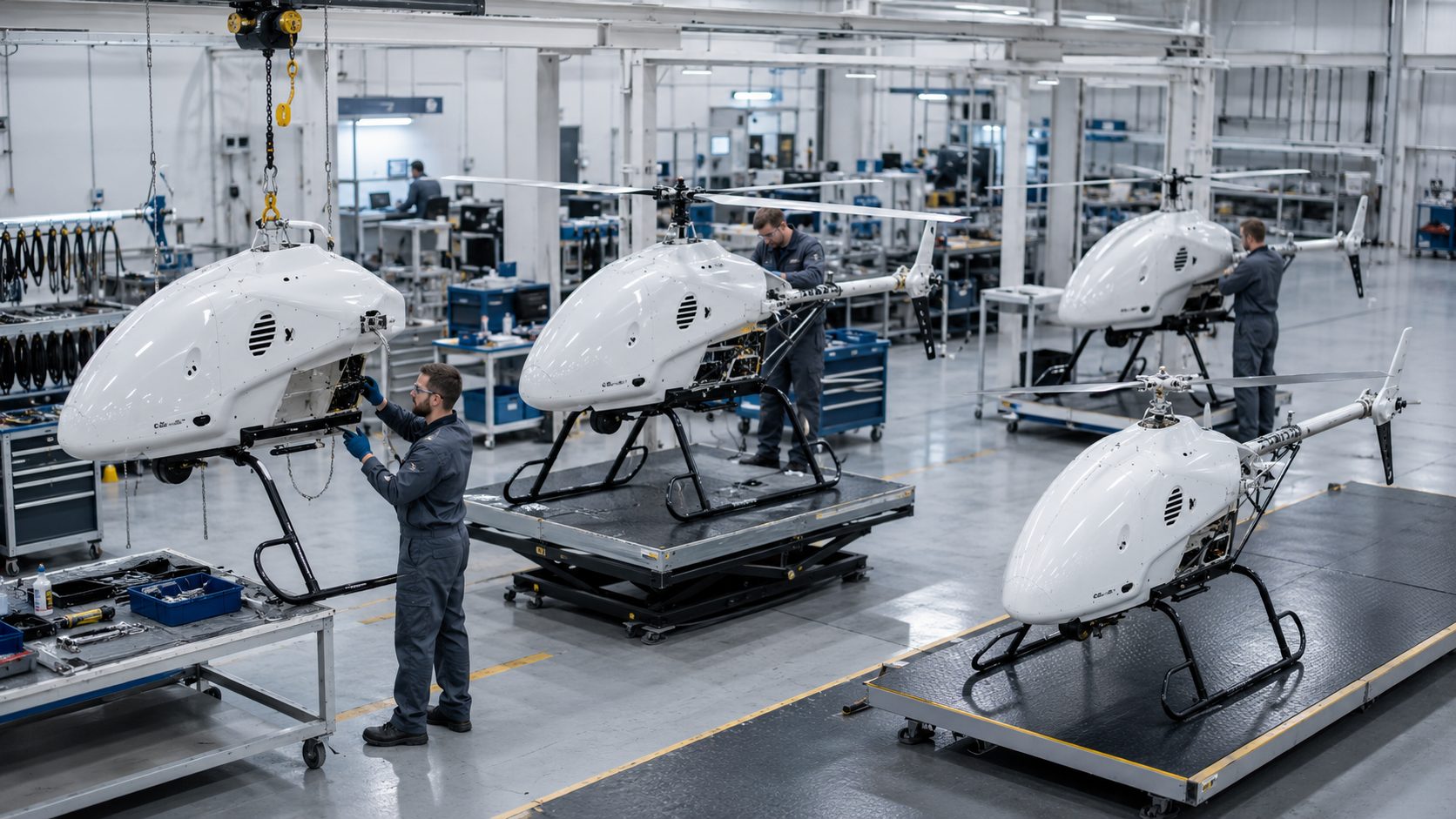
The multiplier is the point
A single aircraft programme employs engineers, technicians and production staff — valuable, but bounded. What transforms a regional economy is the multiplier: for every direct aerospace role, well-integrated clusters generate two to three ancillary jobs in logistics, component manufacturing, maintenance, training, certification services and technology.
That is the arithmetic behind the Fixius Aviation Hub's targets: more than 4,000 direct jobs across our aircraft programmes — 1,500 from Avayu, 1,200 from Gagana, 400 from Avira and more across R&D and services — with over 10,000 ancillary opportunities around them. The ancillary number is not a rounding flourish; it is the design objective.
Four pillars, deliberately interlocked
An ecosystem is what you get when the pieces feed each other. The Hub is structured around four pillars, each of which strengthens the rest:
- Aircraft manufacturing anchors demand — production of the Avayu, Gagana and Avira models creates the volume around which everything else organises.
- Research and development keeps the cluster ahead of the technology curve: renewable propulsion, AI-driven systems, lightweight materials. R&D centres also retain the graduates who would otherwise leave.
- Engine and component development — in collaboration with major manufacturers — captures the highest-value tier of the supply chain locally instead of importing it.
- Ancillary industries — logistics, infrastructure, technology and component suppliers — turn the multiplier from a statistic into local payrolls.
A factory exports aircraft. An ecosystem exports aircraft, engines, expertise, training, certification services and the next generation of engineers.
The sustainability dimension is structural
Green aviation is often discussed as a constraint on growth. Inside an ecosystem, it is the opposite: a differentiator that compounds. Low-emission engine development, biofuel and hydrogen research, circular-economy manufacturing and renewable-powered production are each individually valuable — but co-located, they make the cluster the natural home for every programme that must meet the procurement standards now spreading across public aviation contracts. Sustainability commitments, in other words, are industrial strategy.
What regions should ask
For governments and development agencies evaluating aviation investment, the questions that separate factory deals from ecosystem deals are consistent:
- Does the programme bring multiple aircraft types — manned, unmanned, cargo — or a single product whose fortunes rise and fall alone?
- Is there R&D commitment, or only assembly?
- Will engines and critical components be developed locally, or imported?
- Is there a training pipeline — from operators to engineers — that roots the skills in the region?
- Are the sustainability targets engineered into the operation, or appended to the press release?
These are the standards we hold the Fixius Aviation Hub to. Economic growth and environmental stewardship are usually presented as a trade-off. Built properly, an aviation ecosystem is where they stop being one.
Explore the Aviation Hub or talk to us about regional partnership.